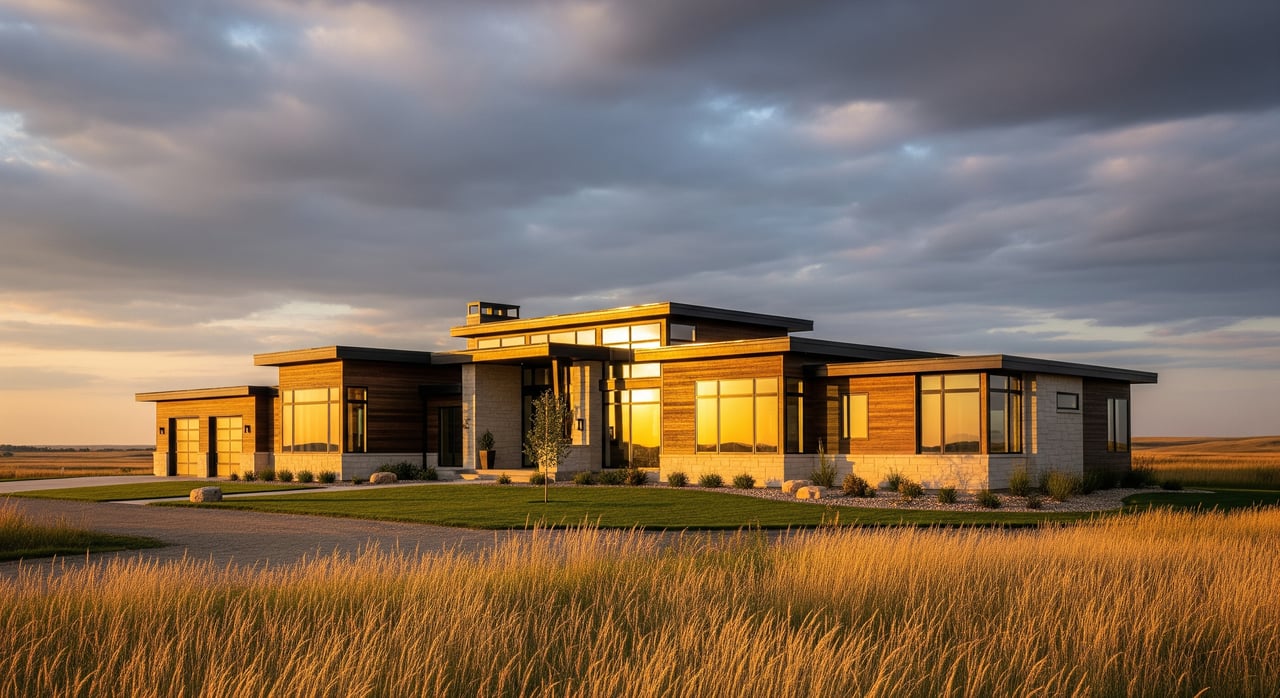
Trying to decide between a spec home and a custom build in Mandan? You are not alone. New construction can be a smart move, but the right path depends on your timeline, budget, and how much you want to personalize. In this guide, you will compare spec, semi-custom, and fully custom homes in 58554, learn how Mandan’s seasons affect your schedule, and see what to watch for with lots, financing, warranties, and inspections. Let’s dive in.
What each build type means
Spec homes
A spec home is built by a builder on a lot they already own, with a plan and finish package chosen upfront. You usually get the fastest move-in and the most predictable pricing. Design flexibility is limited, though some late-stage upgrades may be possible if the home is not yet complete.
Spec fits you if you want a quicker timeline and a simpler process. You focus on the neighborhood, floor plan, and price, then close with traditional mortgage financing if the home is complete.
Semi-custom builds
Semi-custom blends options and speed. You pick from a builder’s base plans and upgrade packages, and you make finish selections within set allowances. You get moderate flexibility and a mid-range timeline.
Semi-custom fits you if you want personalization without starting from a blank page. Pricing is more predictable than fully custom, and the selection process usually stays within known tiers.
Fully custom builds
Fully custom is a one-of-a-kind design. You work with a custom builder, and sometimes an architect, to tailor the home and site plan to your needs. Expect the longest timeline, broader material choices, and more coordination.
Custom fits you if unique design, site-specific solutions, or higher-end details are top priorities. Pricing can vary more due to design fees, specialty materials, and change orders.
Quick tradeoffs
- Speed vs. flexibility: spec is fastest, custom is slowest.
- Predictability vs. personalization: spec is most predictable, custom offers the most choices.
- Resale: well-executed spec or semi-custom in desirable areas tends to be broadly appealing. Very specialized custom homes may fit a narrower buyer pool later.
Timelines in 58554
Mandan’s cold winters impact sitework, concrete, and exterior finishes. Building is most efficient from spring through fall. Starting design and permitting in late winter or early spring often shortens your overall calendar.
Here is how stages typically compare:
- Lot, permitting, and design: minimal for spec if the lot is builder-ready. Plan for roughly 2 to 12 or more weeks for semi-custom or custom design and permit submission.
- Sitework and foundation: about 2 to 6 weeks, longer if winter conditions require frost protection.
- Framing to weather-tight: about 3 to 8 weeks.
- Mechanical rough-ins: HVAC, plumbing, and electrical often take 2 to 6 weeks.
- Insulation, drywall, interior finishes: about 4 to 12 or more weeks.
- Final finishes, inspections, certificate of occupancy, and landscaping: about 2 to 8 or more weeks.
Total estimated calendar times vary by plan, lot, weather, and change orders:
- Spec (if construction is already underway): about 3 to 6 months.
- Semi-custom: about 4 to 9 months.
- Fully custom: about 8 to 18 or more months including design and permitting.
City of Mandan permits and reviews, or Morton County approvals for rural lots, can also affect the schedule. It is smart to confirm current permit timelines at the start.
Lots and site issues that matter
Utilities and lot readiness
Ask whether the lot has city water and sewer or will need a well and septic. Confirm electric and natural gas availability and any tap fees. Builder-owned subdivision lots are often shovel-ready with utilities and rough grading in place, which can shorten your schedule. Raw or rural lots usually need more prep and approvals.
Floodplain and drainage
Mandan sits along the Missouri River, and some areas fall within mapped flood zones. Verify flood risk and elevation requirements before you commit to a lot. Even outside mapped floodplains, low spots or poor drainage can add costs for fill, engineered drainage, or retaining structures.
Frost, soils, and foundation design
Cold climate conditions make frost depth and soil type important. Some sites may require deeper footings or frost-protected designs. A geotechnical soil report is often recommended, and it may be required for custom builds or lots with unusual conditions.
Covenants, zoning, and HOA rules
Newer subdivisions can include covenants and an architectural review process that guide exterior materials, setbacks, accessory structures, and sometimes minimum square footage. These rules shape what you can build and can add review time before construction starts.
Access and site costs
Driveway length, curb cuts, sidewalks, and stormwater detention can add material costs that are not always included in a base price. Clarify these items early so you can compare spec vs. build options apples to apples.
Environmental considerations
North Dakota has areas with elevated radon potential. Plan for radon testing and consider rough-in or installation of a mitigation system in new construction. Also check for wetlands, protected trees, or utility and drainage easements that reduce buildable area.
Cost control, selections, and change orders
What an allowance is
An allowance is a set dollar amount in your contract for items you will choose later, like cabinets, counters, or flooring. If you pick finishes above the allowance, you will pay the difference. If you choose below it, you may receive a credit.
- Spec: finishes are often preset, with limited late-stage upgrades. Allowances may be minimal or already spent by the builder.
- Semi-custom: you get itemized allowances and upgrade catalogs that keep most choices within known price tiers.
- Custom: you have broad choices, larger allowances, and more potential for specialty bids and change orders.
Managing change orders
Changes after you sign the contract typically cost more and extend the schedule. Ask how change order pricing works, how approval is documented, and what deadlines apply. Lock in selection dates so you do not end up with default picks or rush fees.
Financing and draws
Spec homes sold after completion usually close with a traditional mortgage. For semi-custom or custom builds, you may need a construction-to-permanent loan. Lenders fund draws as stages are completed and inspected, so confirm how upgrades and change orders will be handled in the draw schedule.
Best practices for transparency
- Request an itemized allowance list and a spec sheet with brand ranges.
- Ask to see sample invoices and a typical change order form.
- Get selection deadlines in writing to protect your choices and pricing.
- Compare a finished spec package to a semi-custom base plan plus typical upgrades to see true total costs.
Warranties, inspections, and your protection
Typical new-home warranty structure
Most builders offer layered warranties. A workmanship warranty often covers the first year. Systems like HVAC, plumbing, and electrical are often covered for 2 to 3 years. Structural coverage can extend up to 10 years. Some builders back the warranty themselves while others use a third-party provider. Ask for the written warranty and who services it.
What to verify in the warranty
- Start date, covered items, and exclusions
- Claim procedure and response time
- Transferability to future owners
- Owner maintenance responsibilities
- Dispute resolution and coverage limits
Inspections and punch lists
Independent inspections are helpful even with new construction. Consider a pre-drywall inspection to check framing and rough-ins. Schedule a final inspection and walkthrough to create a clear punch list. The Environmental Protection Agency recommends radon testing, and a mitigation plan is wise in higher-risk areas. Make sure your contract sets who fixes punch list items and by when.
How your agent advocates for you
New construction contracts are different from resale purchase agreements. The right agent can explain terms, set realistic expectations, and protect your interests.
Key items an agent helps review and negotiate:
- Contract type and major terms for spec vs. build
- Earnest money or deposits, refund conditions, and escrow handling
- Inspection rights at key milestones
- Financing and draw schedule coordination with your lender
- Clear definition of completion, including certificate of occupancy and utilities
- Contingencies and remedies if deadlines are missed
- Change order approval process and pricing transparency
- HOA documents, covenants, and architectural review timelines
- Lien waivers from major trades to protect you at closing
- Warranty documents, who services them, and any holdbacks if needed
Agents also coordinate third-party inspectors, lenders, and local title professionals who are experienced with new construction closings. This helps reduce delays and surprises.
Quick decision guide
Choose a path based on your priorities:
- Pick a spec home if speed, price predictability, and minimal design work matter most.
- Pick semi-custom if you want a balance of personalization and a predictable timeline.
- Pick fully custom if unique design or a site-driven plan is essential and you are comfortable with more coordination and time.
Before you decide, gather these details for each builder and lot:
- Are utilities city-served or rural, and what are tap fees?
- Is the lot in a flood zone, and what is the elevation and drainage plan?
- What warranties are provided, who underwrites them, and are they transferable?
- What is included versus covered by allowances or upgrades?
- How are change orders priced and approved?
- What is the expected calendar timeline and current permit lead time?
- Are there HOA covenants and architectural review timelines?
- What construction lender is required, and how are draws inspected?
- Can you schedule independent inspections at pre-drywall and final?
- What are deposit and refund terms?
Next steps in Mandan
Start by deciding your top priority: timeline, personalization, or predictability. Then align it with your lot type, budget, and appetite for selections. From there, you can compare a finished spec package, a semi-custom plan with typical upgrades, and a custom concept that fits your site.
If you want a local partner to walk you through lots, builder options, and the selection process, reach out. We can review covenants and permits, coordinate inspectors, and connect you with lenders who handle construction draws. When you are ready, contact Melanie Staiger - Main Site to map out your Mandan new build with confidence.
FAQs
How long does a semi-custom build take in Mandan?
- Many semi-custom builds run about 4 to 9 months from start, depending on design time, weather, lot conditions, and change orders.
Can you change finishes on a spec home in 58554?
- Sometimes, yes, if the home is still under construction and selections are not locked. Expect limited options and clear deadlines.
What permits apply for rural Morton County lots?
- Lots outside city limits may require county building permits and septic approvals. Confirm requirements with Morton County planning and public works.
What warranties do new homes typically include?
- Many builders provide a 1-year workmanship warranty, 2 to 3 years on major systems, and up to 10 years for structural coverage. Ask for the written warranty and who services it.
Should you get an inspection on new construction?
- Yes. Pre-drywall and final inspections help catch issues early, and radon testing is recommended. Define the punch list responsibilities and timelines in your contract.
How does financing work for a build in Mandan?
- Spec homes after completion often use traditional mortgages. Semi-custom and custom builds usually use construction-to-permanent loans with lender draws tied to completed stages.