Thinking about building or buying a brand-new home in Bismarck? You are not alone. With new neighborhoods underway across the city, it can be tough to compare communities, floorplans, timelines, and costs. In this guide, you will learn where growth is happening, what lots and layouts look like, how pricing stacks up against resale, and what to confirm before you sign. Let’s dive in.
Where new homes are going in Bismarck
New construction is active in several directions of the city. City and county permit logs show steady single-family activity in 2024 and 2025, which confirms that builders are moving forward on multiple additions across Bismarck and Burleigh County. You can see the broader trend in the City’s permit summaries and the County’s building-permit reports.
- The City’s year-to-date permit summaries outline what types of homes are being built and where. Review the latest data in the City’s report on permits and valuations in the YTD permits and valuations summary.
- Burleigh County’s annual permit reports offer another view into ongoing construction across the county. See the latest available year in the Burleigh County building-permit report.
You will hear three neighborhood names often:
- Silver Ranch in northeast Bismarck. This is a large, master-planned area with a steady mix of new plans and spec homes.
- Paradise Valley on the south side. It is a multi-phase master plan with single-family lots plus patio and twin-home options. Learn more on the Paradise Valley community overview.
- Elk Ridge in northwest Bismarck. Active additions here include patio or twin homes and detached single-family homes on city lots.
Edge and rural subdivisions are also in play. Areas like Heritage Reserve and similar acreage-style neighborhoods typically offer larger homesites for buyers who want more land and a custom feel.
What you will see by neighborhood
- Silver Ranch: A master-planned framework with both ranch and two-story plans. You will also see walkout basements on sloped lots and a range of builder lineups, from spec to semi-custom.
- Paradise Valley: Multi-phase with a mix of single-family homes and lower-maintenance patio or twin homes. Expect a community plan with defined design standards and likely HOA guidelines. See the scope of the project in the Paradise Valley overview.
- Elk Ridge: City-lot living with a blend of patio/twin products and detached homes. Lot sizes here often fit two-story or compact ranch plans.
- Rural and acreage-style areas: Larger sites are common, often half an acre to an acre or more, suited for custom builds and broad ranch footprints.
Typical floorplans and lot sizes
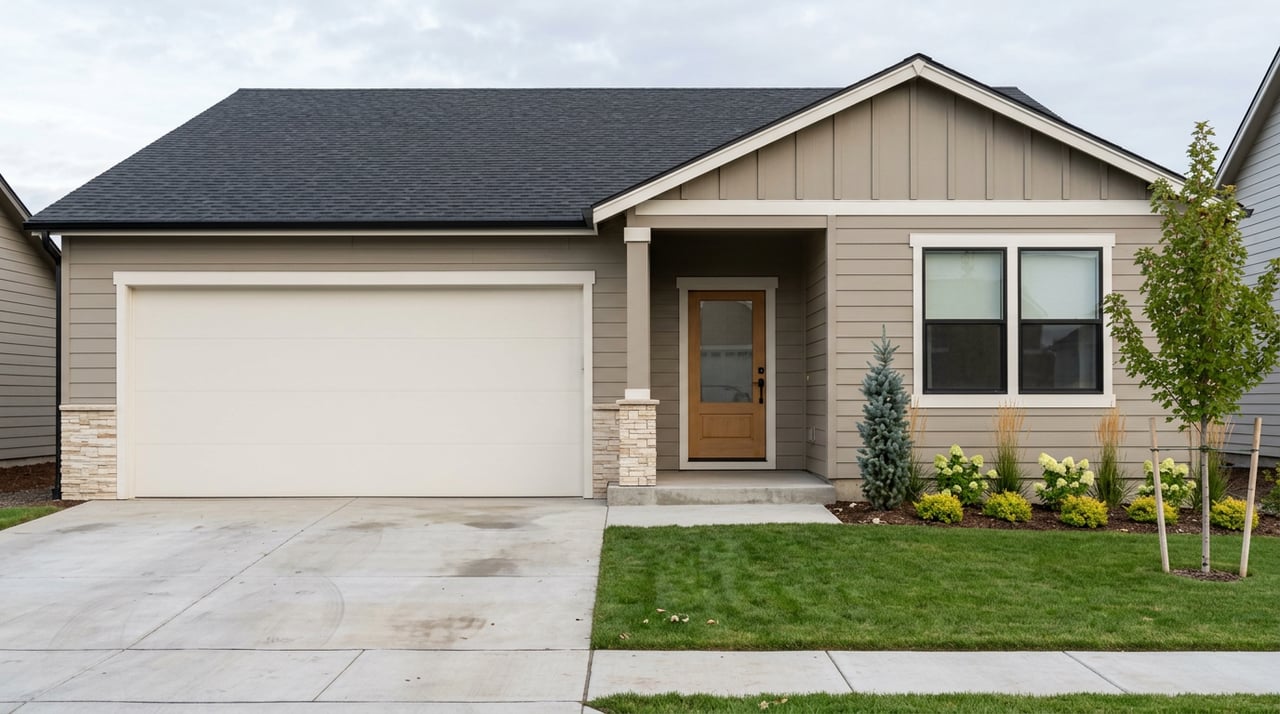
Most new neighborhoods in Bismarck focus on detached single-family homes, delivered as move-in-ready spec homes, build-to-order production plans, or fully custom homes. You will see both ranch (one-level) and two-story layouts offered by local builders. Given the terrain on the city’s edges, walkout-basement homes are common where lots slope toward coulees or ridgelines. The City’s permit records frequently note unfinished or finished basements, including walkouts, which reflects this pattern in current construction. See examples of how permits track these details in the City’s permit documentation.
Patio, twin, and townhome-style products also appear in select phases, especially in master-planned areas aimed at buyers who want a smaller footprint and lower-maintenance lifestyle.
Lot size guide
- Urban and suburban city lots: Roughly 0.19 to 0.37 acres. These sizes support two-story plans or efficient ranches, with driveways and yard space that fit city living.
- Patio or twin-home sites: Smaller lots, often around 0.12 to 0.20 acres per home, depending on the product and phase.
- Premium or rural subdivision lots: About 0.5 to 1+ acres in certain edge neighborhoods, ideal for broad ranch plans or custom estates.
Standard features in new builds
Local lineups often include:
- 2 to 3-stall attached garages and layouts with mudroom and main-level laundry to suit cold-weather living.
- Energy-focused construction, with upgraded insulation, efficient windows, and right-sized HVAC systems designed for North Dakota winters.
- Durable finishes like luxury vinyl plank and tile in high-traffic areas, with options to personalize colors and textures when contracted early.
Builders in our market outline these norms on their sites. Explore typical plan features and selection paths on Dakota Builders (DB Homes) and review broader build and finish guidance via Artisan Homes’ construction insights.
What new construction costs vs resale in Bismarck
Citywide prices have been trending upward. As of February 2026, Redfin reported a Bismarck median sale price near 362,400 dollars and roughly 151 dollars per square foot. Zillow’s citywide sale metrics showed a median in the low 300,000s at year-end 2025. These differences reflect timing and methodology, but both point to a rising market.
Why new builds often price higher
- Land and infrastructure. Lots in master-planned areas carry costs for grading, streets, and utilities that show up in lot pricing or as special assessments. See how a master plan frames infrastructure in the Paradise Valley community overview.
- Modern code and energy standards. New homes incorporate current codes, insulation, windows, and mechanical systems, which raise upfront costs but add efficiency. Get a feel for how builders frame specifications in Artisan Homes’ construction insights.
- Warranties and new systems. Buyers value builder warranties and factory-new equipment. Many builders follow a familiar 1-2-10 structure. Learn how these warranties work in the 2-10 Home Buyers Warranty guide.
- Finishes and design. Today’s layouts, larger garages, and higher-spec kitchens and baths can lift per-foot pricing compared with older resale homes.
Typical price bands today
Every plan, lot, and finish package is different, but current ranges you will see include:
- Patio or twin homes: mid-300s to low-500s, depending on size, garage, and lot.
- Production single-family: roughly mid-400s to around 700,000 dollars for standard finishes, with lot and footprint playing a big role.
- Custom or premium homes: about 700,000 to 1.5 million dollars or more on premier lots or with extensive upgrades.
Use these as starting points, then compare apples to apples: lot type, garage count, basement finish level, and any special assessments.
Price-per-foot reality check
Across active listings, new builds often show a higher dollar-per-square-foot than the broad city median. It is common to see master-planned plans marketed in the mid-200s per square foot, and premium customs that climb into the 400s per square foot. Those figures reflect modern systems, today’s materials pricing, and the value of buying brand-new with a warranty.
Build paths: spec, production, and custom
You will typically choose from three paths, each with different timelines and selection options.
Spec homes
These are move-in-ready or near-complete homes. You get the fastest path to closing and predictable pricing. Finish changes are limited, but you avoid construction complexity.
Production or build-to-order
You start from a builder’s plan library and choose a lot. If you sign early, you can pick finishes like flooring, cabinets, and paint within set allowances and deadlines. Review how builders define selections and allowances in DB Homes’ overview, and explore broader process notes from Artisan Homes.
Fully custom
You drive the design, selections, and site plan from the ground up. This delivers the most personalization but usually takes the longest and costs more, especially if you add premium features or a complex footprint. Local builders advise making early decisions to keep the schedule on track.
Timeline: how long to move in
Timelines vary by product and season. Spec homes often finish within a few months, while custom builds commonly take 10 to 16 months of construction and 18 to 24 months total when you include design and permitting. North Dakota’s short exterior building season has a real impact, so starting early is wise. Builders in our region outline these expectations in their guidance, including typical decision windows and milestone schedules. For a sense of planning and sequencing, browse Artisan Homes’ construction insights.
Permits and inspections are handled by the City of Bismarck and Burleigh County. Your builder should share the permit timeline and required inspections for your home. You can also review how permits are tracked in the City’s permit summaries.
Warranties and what to verify
Most new homes include a builder-backed warranty. A common structure is often called 1-2-10: one year for workmanship and materials, two years for major systems, and ten years for structural coverage. Coverage limits, the claims process, and whether the warranty is transferable can vary by builder and warranty provider. Always get the written warranty and any third-party agreement with your purchase documents. For a primer on typical coverage, read the 2-10 Home Buyers Warranty overview.
Financing your new build
If you are building from scratch, you will usually use either a construction-only loan with two closings or a construction-to-permanent loan that converts to a standard mortgage at completion. One-time-close loans can reduce duplicate closing costs and may lock your permanent rate up front. FHA and VA construction options also exist for qualified buyers. Because underwriting, draw schedules, and inspections add complexity, talk with your lender and builder early. For a clear explanation of these options, review this construction-loan guide.
Specials, HOAs, and lot costs
New neighborhoods often include special assessments that help pay for infrastructure like streets and utilities. Listings will sometimes highlight whether a lot has specials remaining or not. Before you write an offer, confirm any unpaid specials with the City or County using the County’s tax and assessment search.
Master-planned communities may also have HOA dues, design guidelines, and rules for fencing, landscaping, or outbuildings. Review these documents before you finalize your lot and plan. You can get a sense of how master plans structure amenities and standards in resources like the Paradise Valley community overview.
Buyer checklist for Bismarck new builds
Use this quick checklist to make sure your bases are covered before you sign a contract or pay a deposit:
- Scope in the base price. Confirm what is included: appliances, flooring, countertops, landscaping, sprinkler system, driveway, and final grade. Builder guidance like Artisan Homes’ notes helps you frame the right questions.
- Lot costs and fees. Separate the lot price from the home price. Verify any unpaid special assessments and check HOA dues and rules using Burleigh County’s tax and assessment search.
- Warranty documents. Ask for the builder’s written warranty and any third-party structural warranty. Understand coverage, claim steps, and whether it transfers. See the 2-10 Home Buyers Warranty overview for standard structures.
- Timeline and milestones. Get a schedule with clear start, framing, mechanical, drywall, and substantial-completion targets. Review how builders outline process and timing in Artisan Homes’ construction insights.
- Change-order rules. Ask how upgrades are priced, when selections lock, and what happens if you change your mind after a deadline. Builders describe these selection windows on sites like DB Homes.
- Financing path. Decide on construction-only or construction-to-permanent, and confirm how draws, inspections, and rate locks work. Start with this construction-loan explainer.
Ready to explore your options?
New construction in Bismarck gives you choices, from efficient patio homes to custom estates on larger lots. When you understand the neighborhoods, lot sizes, timelines, and total costs, you can match your budget and timing to the right build path with confidence. If you want a local, step-by-step plan tailored to your goals, reach out to Melanie Staiger - Main Site to start a focused new-build search and planning session.
FAQs
Are new-construction homes in Bismarck always pricier than resale?
- Not always, but many new builds list at a higher price per square foot due to modern systems, energy standards, land and infrastructure, and warranty coverage.
How big are lots in popular new neighborhoods?
- City lots often run about 0.19 to 0.37 acres, patio or twin-home lots can be smaller, and edge or rural subdivisions typically offer 0.5 to 1+ acres.
What is a special assessment, and how do I check one?
- Specials help fund infrastructure like streets and utilities in new areas. Confirm any unpaid specials with the County’s tax and assessment search.
How long does a custom build usually take here?
- Plan on about 10 to 16 months of construction and 18 to 24 months total including design and permitting, with weather and contractor schedules influencing timing.
What financing works for building a home in Bismarck?
- Many buyers use a construction-to-permanent one-time close or a construction-only loan with two closings. Discuss draws, rate locks, and inspections with your lender early.