Curious what daily life in North Bismarck really feels like? If you are planning a move, comparing areas, or just trying to picture your next routine, it helps to look beyond a map. North Bismarck offers a mix of established neighborhoods, newer residential growth, convenient shopping corridors, and easy access to parks and trails. Let’s dive in.
North Bismarck at a glance
North Bismarck is best understood as a broad area on the north side of the city, not a separately governed district. City planning materials describe north-side growth as a mix of established residential areas, newer subdivisions, and edge-of-city land that may continue to urbanize over time.
That matters because living here can feel different depending on where you land. One part of North Bismarck may feel more established and close to daily conveniences, while another may feel newer, more spread out, or closer to the city’s outer edge.
Housing in North Bismarck
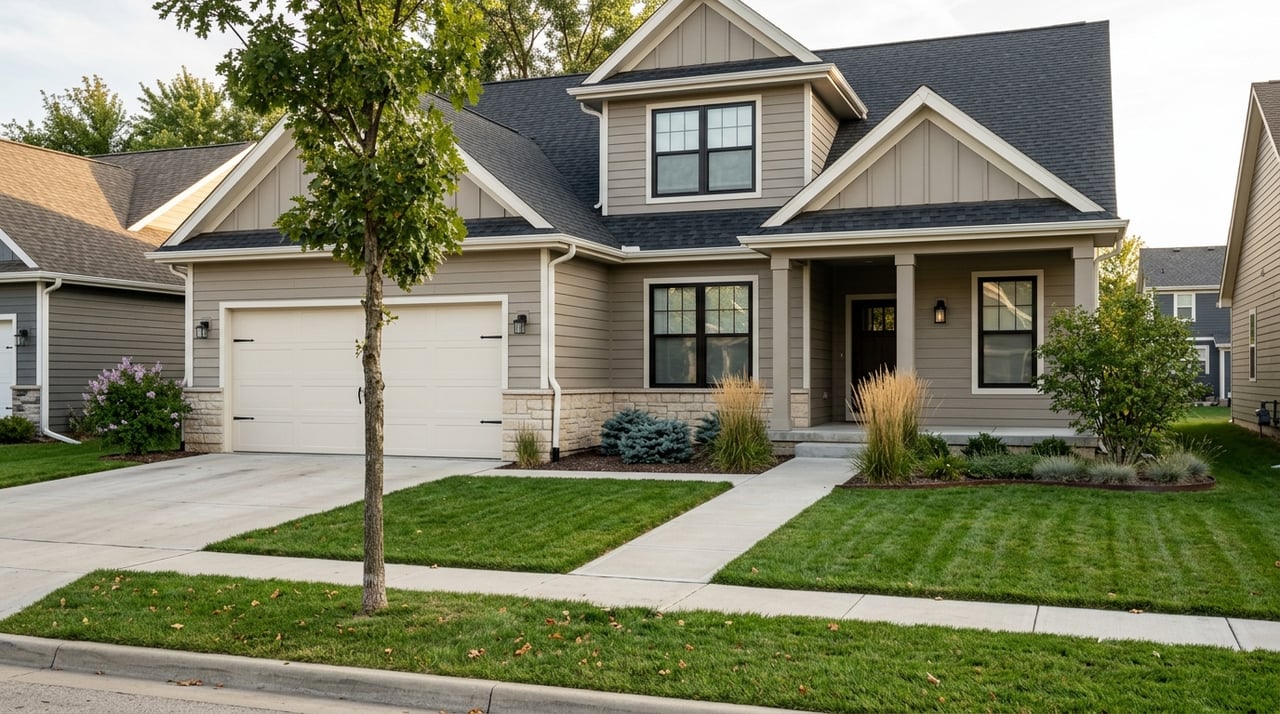
If you are wondering what kinds of homes you will find, the short answer is variety. City housing data and planning documents support a practical picture of detached single-family homes, attached homes or townhomes, multifamily housing near corridor areas, and some larger-lot housing at the northwest edge.
This variety is one reason North Bismarck appeals to different kinds of buyers. Whether you want a lower-maintenance setup, a traditional single-family home, or a property that feels a little less central, the north side gives you more than one path.
Expect a mix, not one style
North Bismarck does not have a single housing identity. Planning studies for the area describe some portions as already urban or urbanizing, while other areas have historically included agricultural land and scattered rural-style subdivisions.
In everyday terms, that means the neighborhood feel can shift from block to block. You may see mature areas with an established pattern of homes, then drive a few minutes and find newer development or land set aside for future growth.
Citywide housing context
Bismarck reported 35,034 housing units in 2022, with a broad mix that included single-family detached, single-family attached, multifamily, and mobile home units. The city also reported a 95.1 percent occupancy rate, with 63 percent owner-occupied and 32 percent renter-occupied units, a median gross rent of $877, and a median home value of $312,300.
Those are citywide numbers, not North Bismarck-only figures, but they help give you context for the overall market you are entering. For buyers and sellers, they also show a city with an active and well-used housing stock.
What daily life feels like
A lot of everyday life in North Bismarck revolves around convenience. Major routes like State Street/US-83, Century Avenue, and I-94 shape how people shop, commute, and move around town.
That gives the area a practical, corridor-connected feel. You are often making daily decisions based on how close you are to your go-to grocery stop, a main road, or your preferred route across town.
Running errands is straightforward
Transit and planning documents point to north-side destinations like Family Fare Supermarket North, the Gateway Mall area, North Super Walmart, and Pinehurst Square. That cluster of destinations helps explain why so many north-side routines are built around a few major north-south routes.
If you like having shopping and services tied into your regular drive pattern, North Bismarck can feel efficient. Instead of treating errands as a big trip across town, many residents can build them into the flow of the week.
Commutes are often manageable
For broader context, Burleigh County reports a mean travel time to work of 17.5 minutes. That number is countywide, not specific to North Bismarck, but it gives a helpful benchmark for the area’s generally shorter commute patterns.
For many people, that translates to less time in the car and a little more flexibility in the day. If commute ease is part of your home search, North Bismarck is worth a closer look.
Parks and trails are a real lifestyle perk
Outdoor access is one of the strongest lifestyle advantages in Bismarck, and North Bismarck benefits from that in a big way. Bismarck Parks and Recreation District manages more than 2,700 acres of park land, nearly 100 parks and facilities, and more than 80 miles of trails.
That is not just nice to have. It means parks, walking paths, and outdoor recreation are woven into how many people spend their free time, exercise, and get around.
North-side parks to know
Several north-side parks stand out for everyday use:
- Hay Creek Park includes a playground, shelter, restroom, trail, and connection to the paved Hay Creek Trail.
- North Central Park includes basketball, a playground, tennis and pickleball courts, an outdoor skating rink, and a warming house.
- Chief Looking’s Village offers a Missouri River overlook, a playground, an interpretive trail, and a paved connection to the Riverfront Trail.
If you enjoy a routine that includes playground time, a quick walk after dinner, or weekend time outdoors, these amenities can play a big role in how livable the area feels.
Trail access supports active routines
The Hay Creek Trail is a 5-mile paved shared-use trail running from northeast Bismarck south to the Missouri Valley Complex. The Riverfront Trail follows the Missouri River from Chief Looking’s Village through several major park areas.
The city also describes a well-developed active transportation network with multi-use paths, on-street bicycle facilities, relatively extensive sidewalks, and a bike-share program. For you, that can mean more options for walking, biking, and fitting fresh air into a normal weekday.
Transportation options in North Bismarck
Most North Bismarck routines are car-oriented, especially because major corridors shape so much of the area’s shopping and commuting pattern. At the same time, public transit is available and can be useful depending on your location and schedule.
Bis-Man Transit says CAT bus service operates six fixed routes Monday through Friday from 6:00 a.m. to 10:00 p.m. and Saturdays from 7:00 a.m. to 10:00 p.m. General-public demand-response service is also available on Sundays and holidays with advance scheduling.
Transit can supplement driving
The Red-4 route serves the north end of Bismarck. For some residents, that adds another option for getting to shopping, appointments, or other regular destinations.
Transit may not replace driving for every household, but it can still add flexibility. That is especially helpful if you want an area where you are not relying on only one transportation choice.
Growth shapes the north side
One of the clearest things about North Bismarck is that it is growth-oriented. City planning materials and street project information show that the north side has been a long-term area of residential development and infrastructure investment.
For example, the city says the Exit 161 reconstruction is being built to support northeast Bismarck growth and reduce congestion on Centennial Road/Bismarck Expressway and I-94. While road work is never the exciting part of moving, it does show how the city is planning around continued use and expansion in this part of town.
What that means for buyers
If you are buying in North Bismarck, growth can show up in several ways. You may find newer subdivisions, nearby land that is still transitioning over time, and a road network that is evolving to handle future demand.
That can be appealing if you want a part of town that feels active and forward-moving. It also means your experience may depend a lot on the exact pocket, development pattern, and road access of the home you choose.
Who North Bismarck may suit best
North Bismarck can work well for a wide range of buyers because it offers flexibility more than a single lifestyle type. Some people are drawn to the access to parks and trails. Others focus on practical commutes, shopping convenience, or the chance to find newer housing options.
It may be a strong fit if you are looking for:
- A mix of housing types
- Easy access to major roads
- Parks and trails built into daily life
- A part of town shaped by ongoing growth
- Practical access to shopping and services
The biggest takeaway is simple: North Bismarck is not one-note. It is a broad, useful, everyday-livable part of Bismarck with a lot of range depending on what matters most to you.
If you are comparing areas in Bismarck or relocating from out of town, having a local guide can make a big difference. When you are ready to talk through neighborhoods, home styles, or what fits your daily routine best, connect with Melanie Staiger - Main Site.
FAQs
What is North Bismarck considered?
- North Bismarck is generally viewed as an informal label for the north side of the city, not a separately governed district.
What types of homes are common in North Bismarck?
- North Bismarck is best described as a mix of detached homes, attached homes or townhomes, multifamily housing near corridor areas, and some larger-lot housing toward the edge of the city.
What is daily life like in North Bismarck?
- Daily life in North Bismarck often centers on easy driving routes, nearby shopping, and regular access to parks, trails, and other outdoor spaces.
Are there parks and trails in North Bismarck?
- Yes. North-side examples include Hay Creek Park, North Central Park, Chief Looking’s Village, the Hay Creek Trail, and access to the Riverfront Trail.
Is North Bismarck convenient for commuting?
- For many residents, yes. Major routes like State Street/US-83, Century Avenue, and I-94 help shape everyday travel, and Burleigh County’s mean travel time to work is 17.5 minutes.
Does North Bismarck have public transit?
- Yes. Bis-Man Transit says the Red-4 route serves the north end of Bismarck, and additional demand-response service is available on Sundays and holidays with advance scheduling.
Is North Bismarck still growing?
- Yes. City planning and infrastructure materials describe the north side as a long-term growth area with continued residential development and transportation investment.